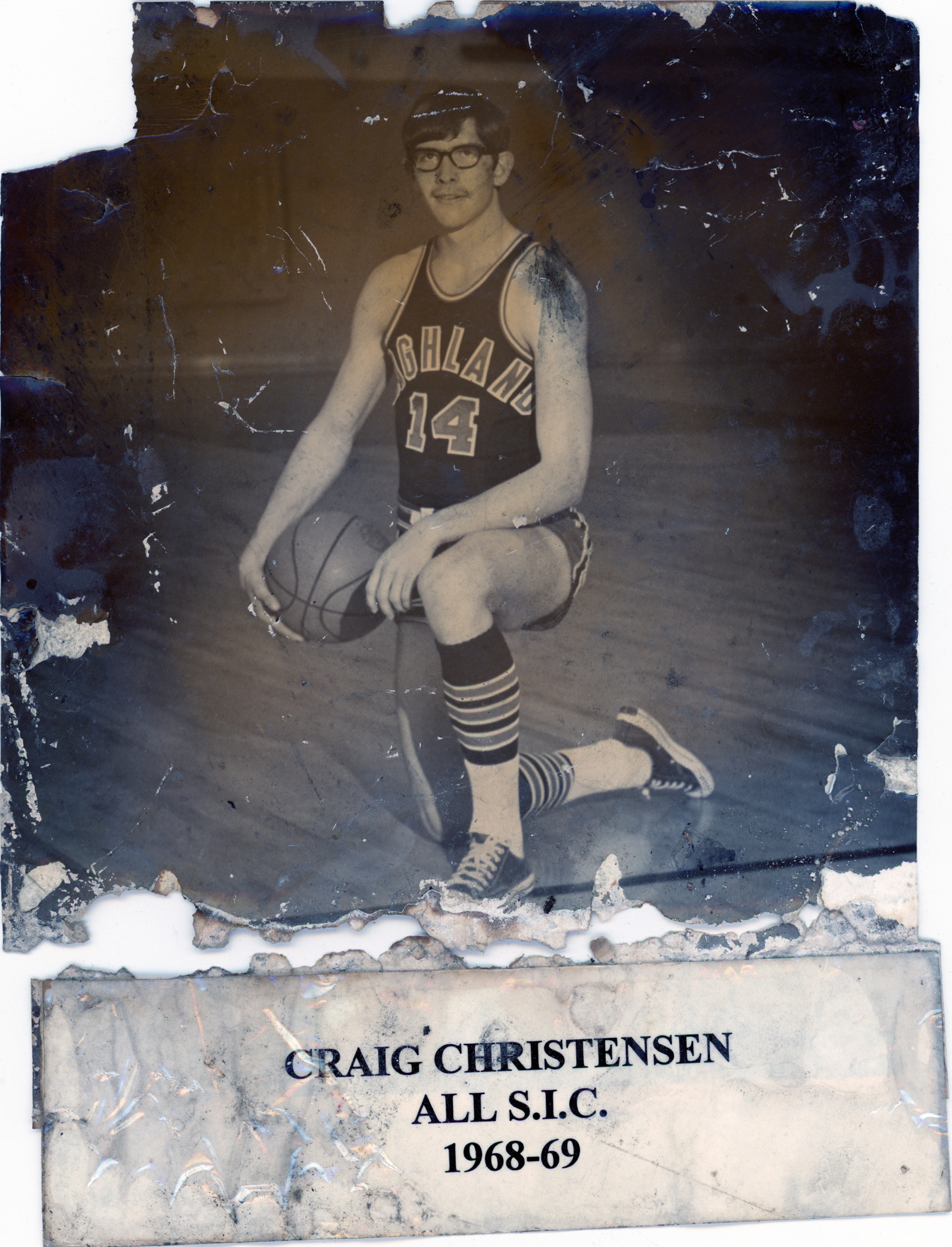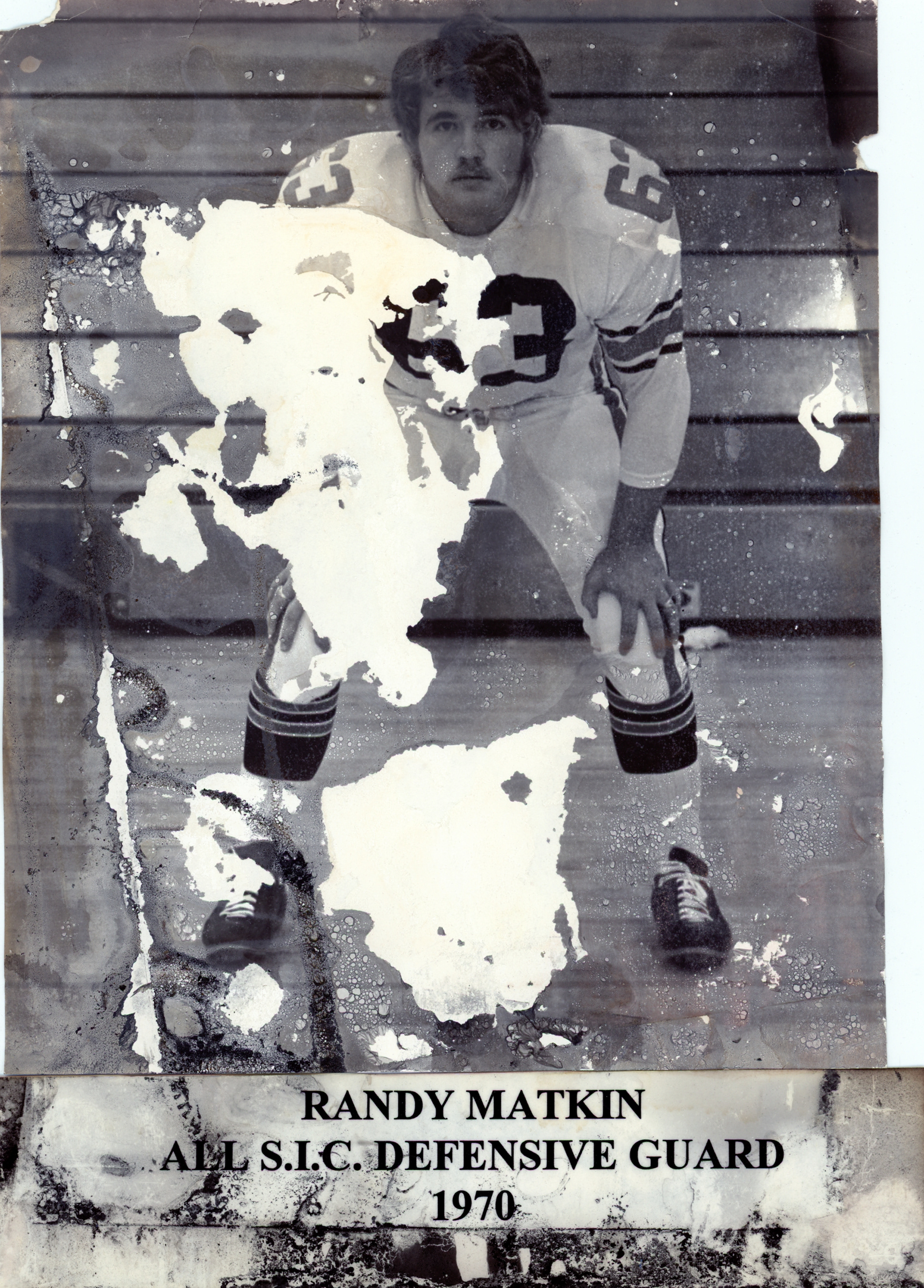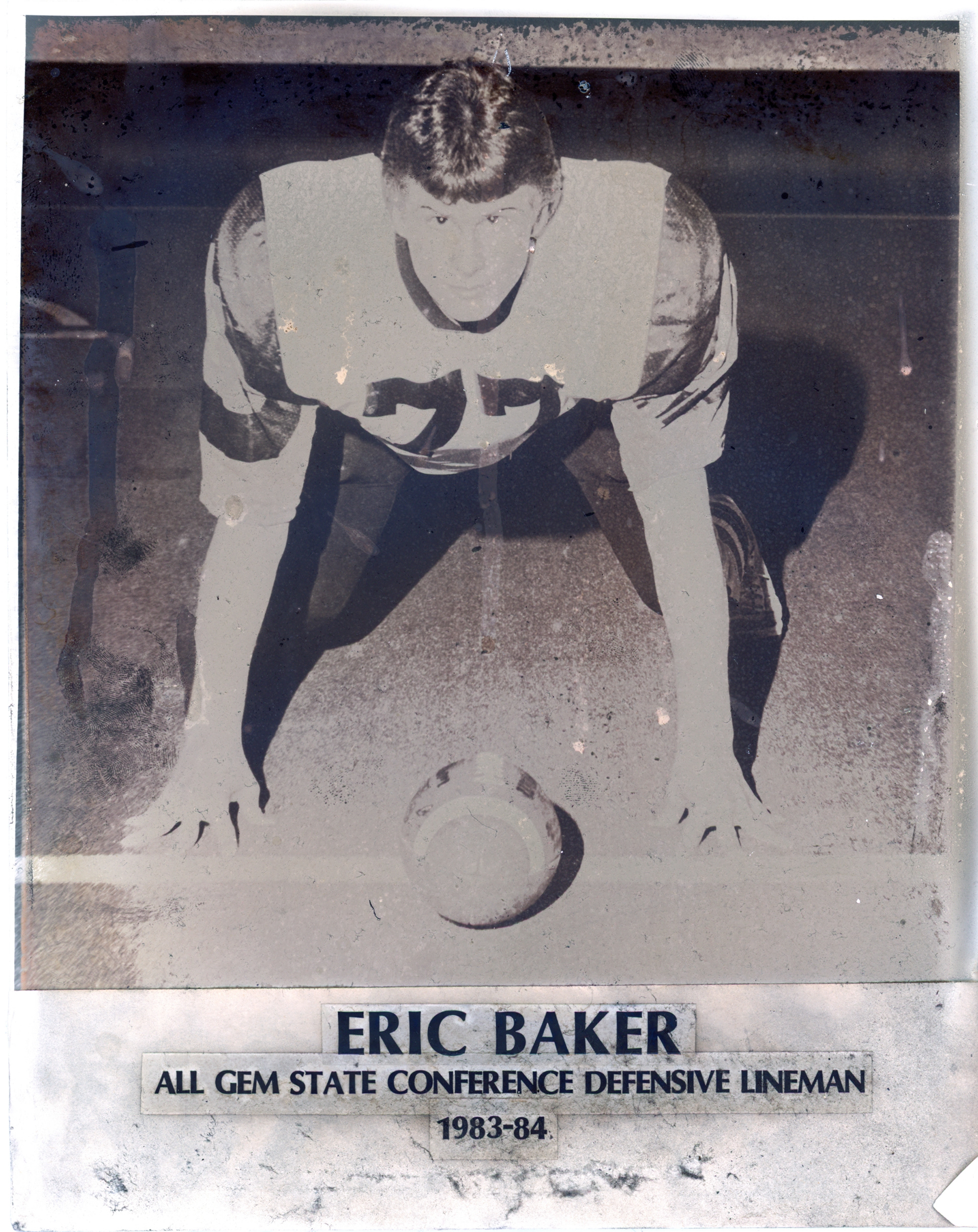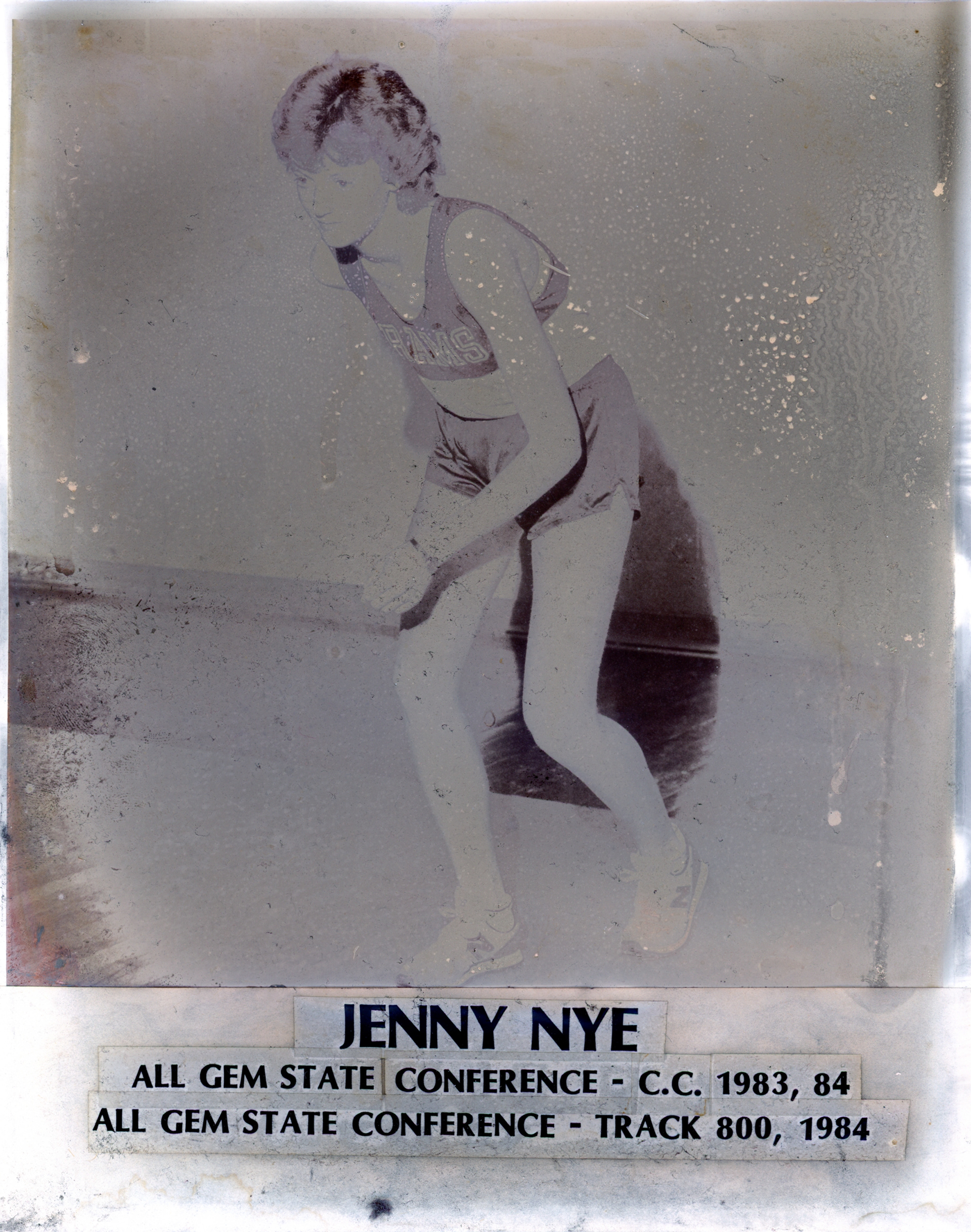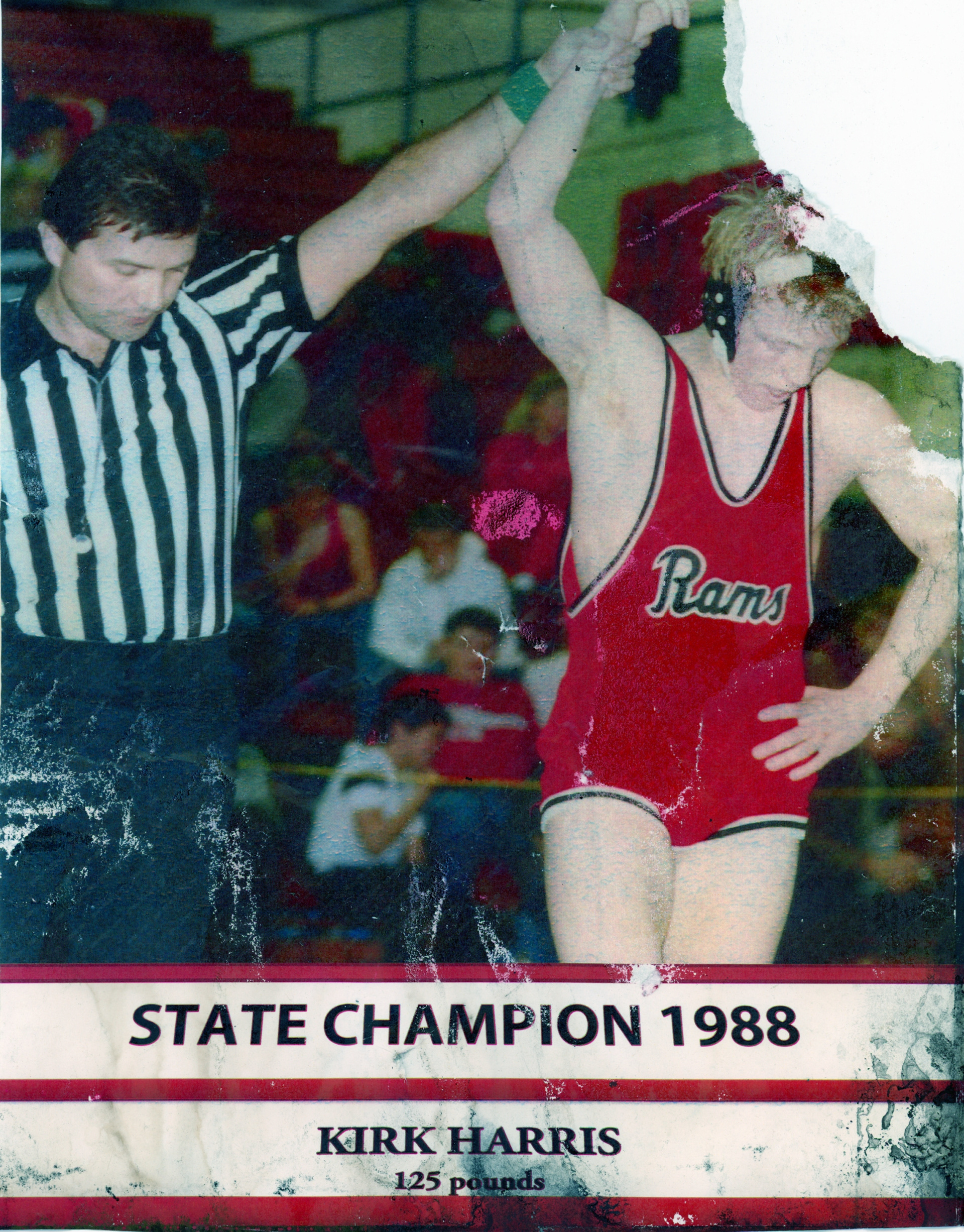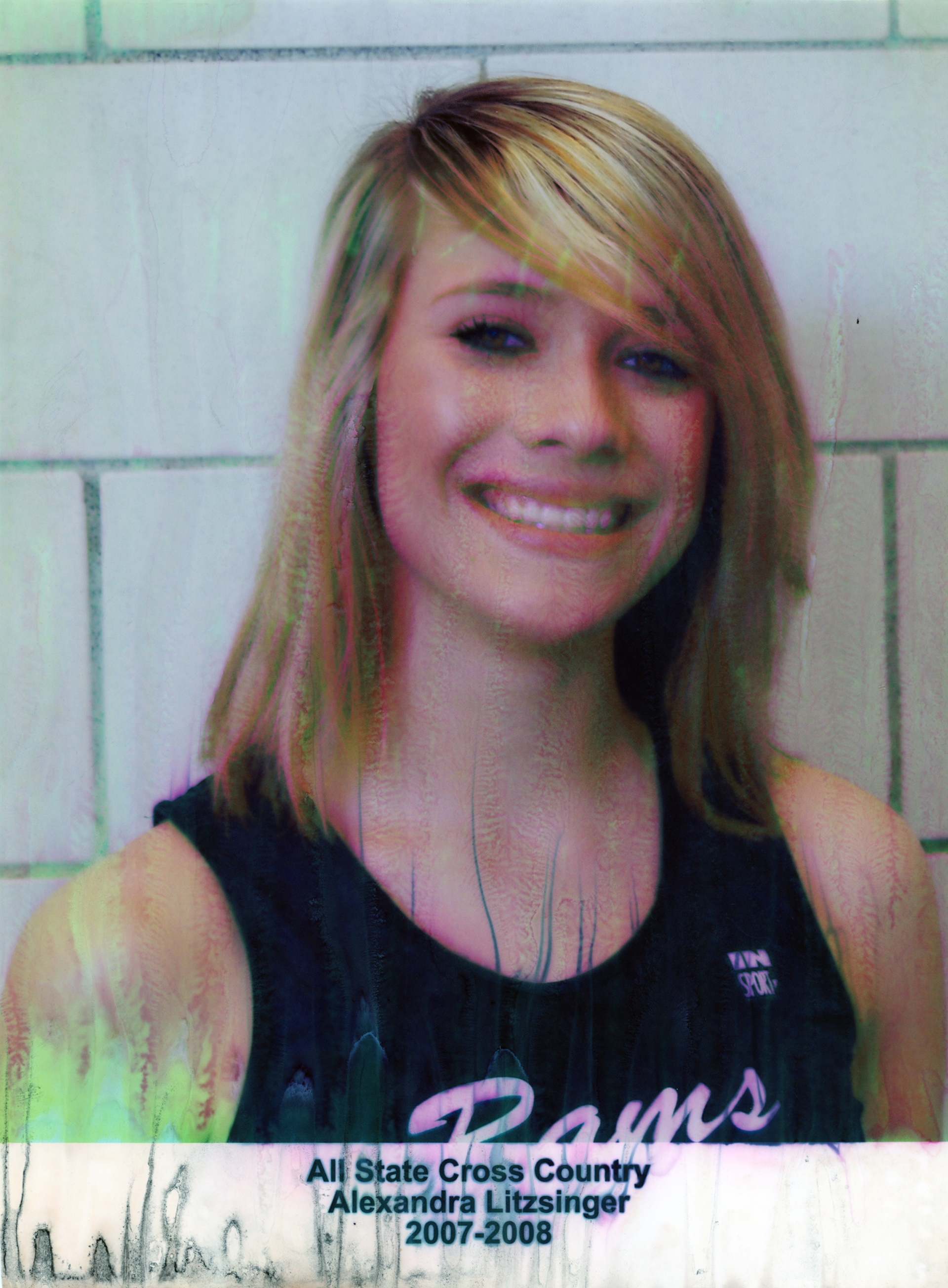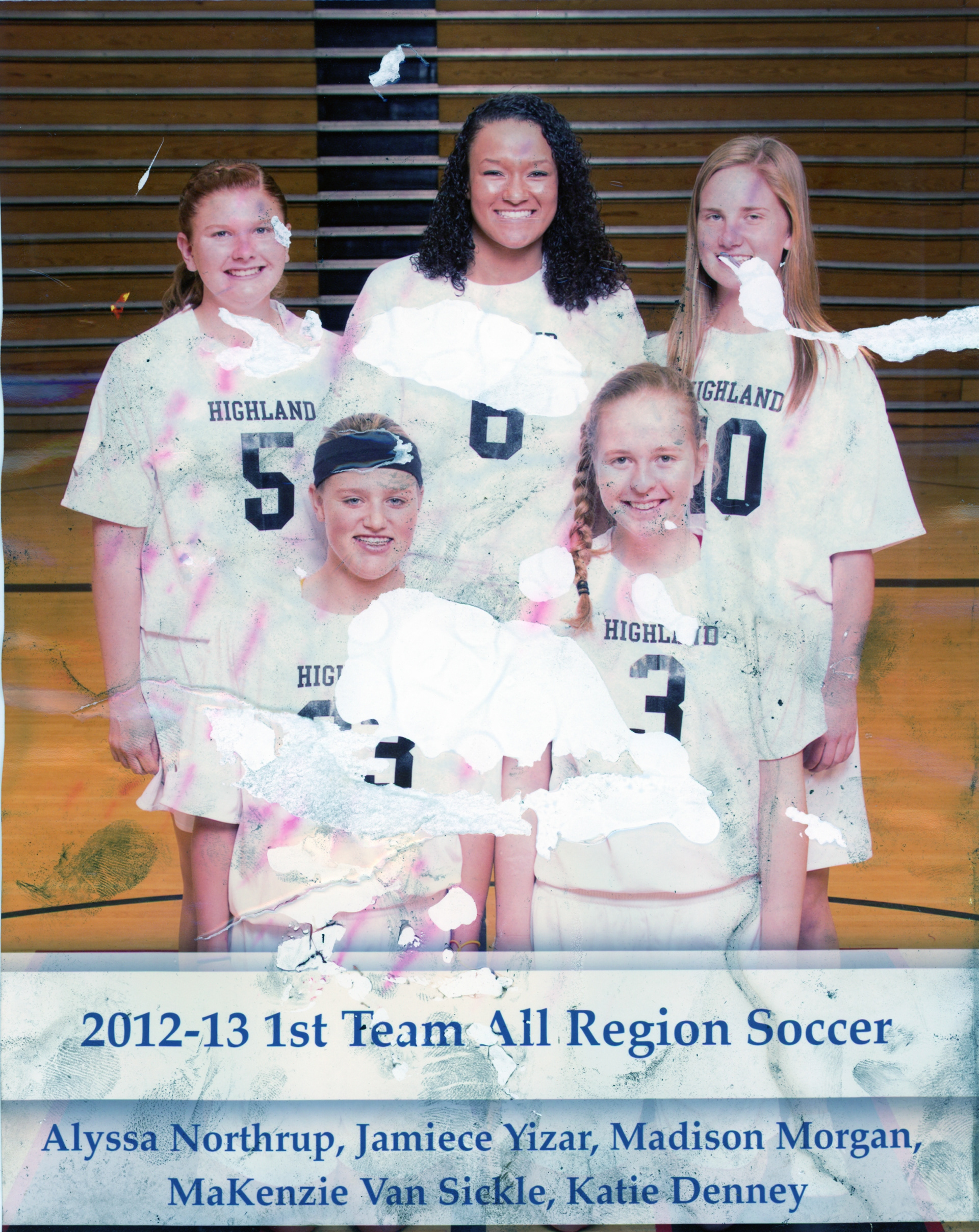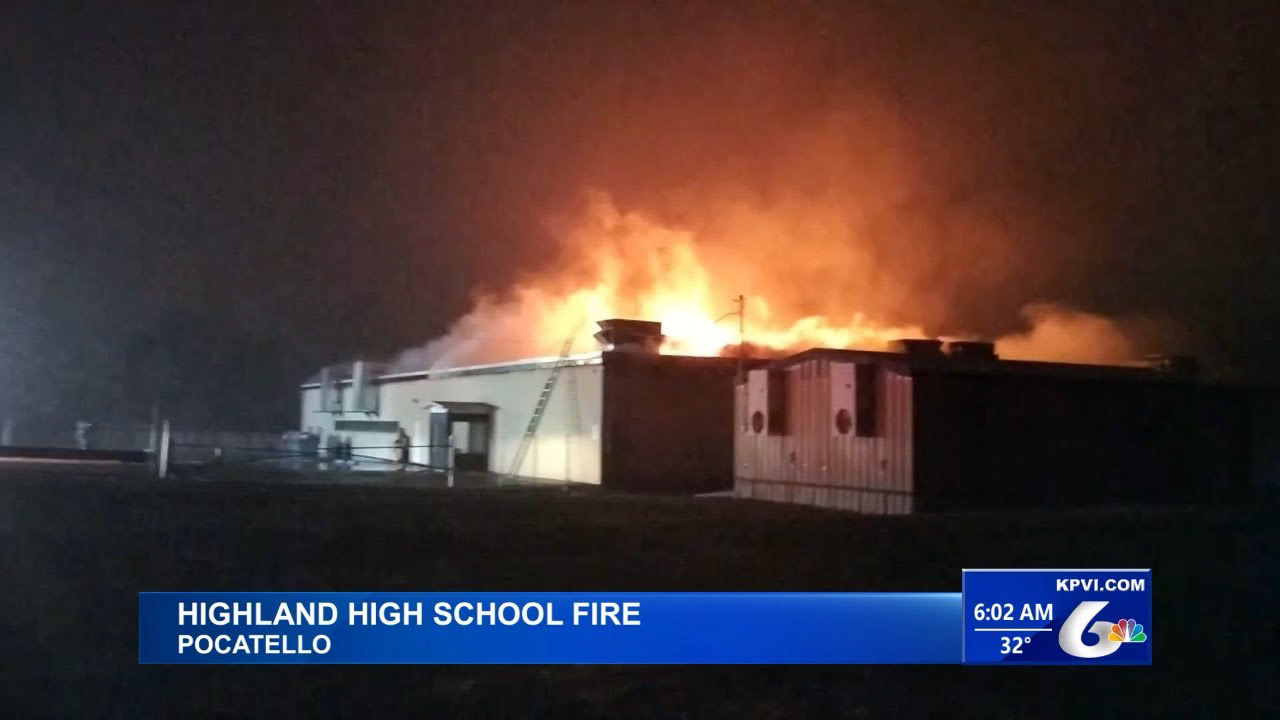
When I was first told about the Highland High Restoration project, the description was deceptively simple: “Just fix the photos.”
No timeline. No process. No budget clarity. Just hundreds of fire- and water-damaged images from a high school tragedy.
No timeline. No process. No budget clarity. Just hundreds of fire- and water-damaged images from a high school tragedy.
What I didn’t know then was that this project would consume the next two years of my life — revealing the full scale of an operation that had lost its structure, its people, and its honesty. I would eventually learn that I wasn’t just restoring photographs; I was reconstructing an entire workflow from scratch in a business that had forgotten how to function.
> the_challenge
The company was, in essence, a hollow shell. The original team — the real brains behind its success — had long since left. What remained was a name, a reputation, and an owner who lived on legacy clout rather than leadership.
I was the sole designer in a graphics and photo business that had no system for graphics or photos.
No project management. No communication. No strategy. Just a constant stream of “make it happen.”
No project management. No communication. No strategy. Just a constant stream of “make it happen.”
When I first heard about the restoration project, I was told it would be quick and simple.
It wasn’t.
There were over 1,200 photos, each uniquely damaged by fire, smoke, or water. There was no deadline, no direction, and no clear understanding of what the client had actually paid for.
It wasn’t.
There were over 1,200 photos, each uniquely damaged by fire, smoke, or water. There was no deadline, no direction, and no clear understanding of what the client had actually paid for.
> the_turning_point
Two years into the chaos, I finally pieced together the truth: the job had been under-quoted by nearly $80,000, and the scope had been completely misrepresented.
I did what no one else had done — I built the process from the ground up:
Created a 14-week project plan with measurable progress metrics.
Developed damage-based restoration workflows for efficiency and consistency.
Delivered a full cost reassessment, proving the project should have been priced at over $115 K.
Designed naming conventions, archiving systems, and text layout templates for continuity.
When I presented it all — the solution, the plan, the math — the owner rejected it. His only response was, “Just get it done faster.”
That was the moment I realized I wasn’t failing; I was being ignored.
> leadership_in_a_fire
By then, my communication and organizational skills had evolved to the point that the owner hired me an assistant to help with the workload — someone I trained, managed, and mentored. She excelled, but even she eventually saw what I had: that the business wasn’t built to support success.
One day, she stopped showing up. I didn’t blame her.
Not long after, the insurance company funding the project demanded a progress report — proof of work the owner wasn’t equipped to provide. He panicked. I didn’t.
I had been documenting everything for months, anticipating the inevitable.
I had been documenting everything for months, anticipating the inevitable.
But at that point, I knew I couldn’t keep helping someone who refused to help themselves.
> the_outcome
I completed the restoration work, delivered organized files, and left behind a documented process the company had never had before.
The photos were restored. The project was salvaged. But I was done.
The photos were restored. The project was salvaged. But I was done.
I walked away not in defeat, but in clarity. I realized my value wasn’t tied to the approval of someone who couldn’t recognize it.
> my_reflection
The Highland High project was my professional awakening.
It taught me how to plan effectively, communicate strategically, and trust my instincts upon collecting efficient feedback to determine next steps.
It showed me what leadership looks like in the absence of structure — and how to recognize when integrity means walking away.
It taught me how to plan effectively, communicate strategically, and trust my instincts upon collecting efficient feedback to determine next steps.
It showed me what leadership looks like in the absence of structure — and how to recognize when integrity means walking away.
I learned that endurance without self-worth is just exploitation, and that true professionalism begins when you stop accepting “good enough” as an answer.
I didn’t just rebuild damaged photos.
I rebuilt my confidence, discipline, and respect for my own craft.
I rebuilt my confidence, discipline, and respect for my own craft.
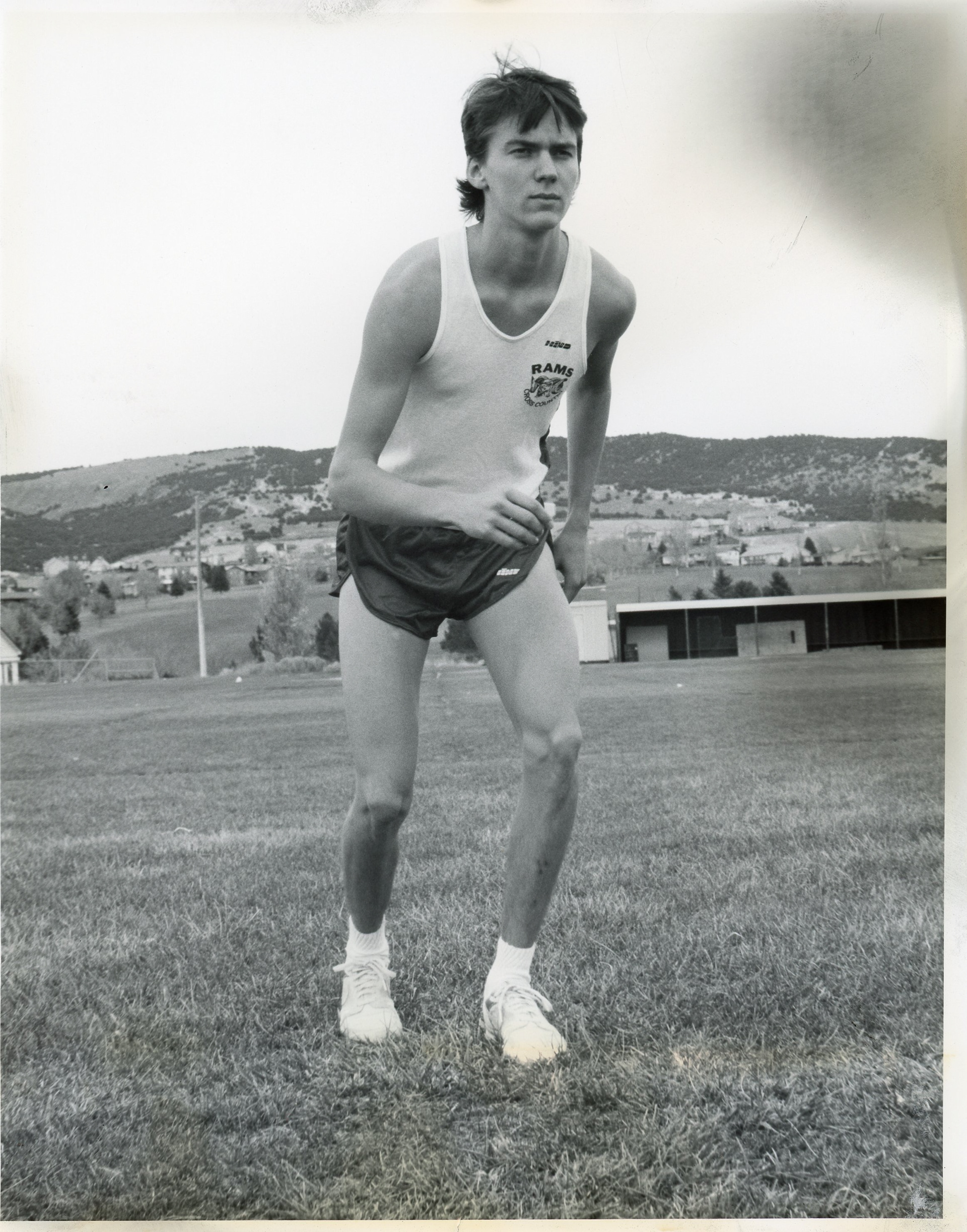
Original Scan
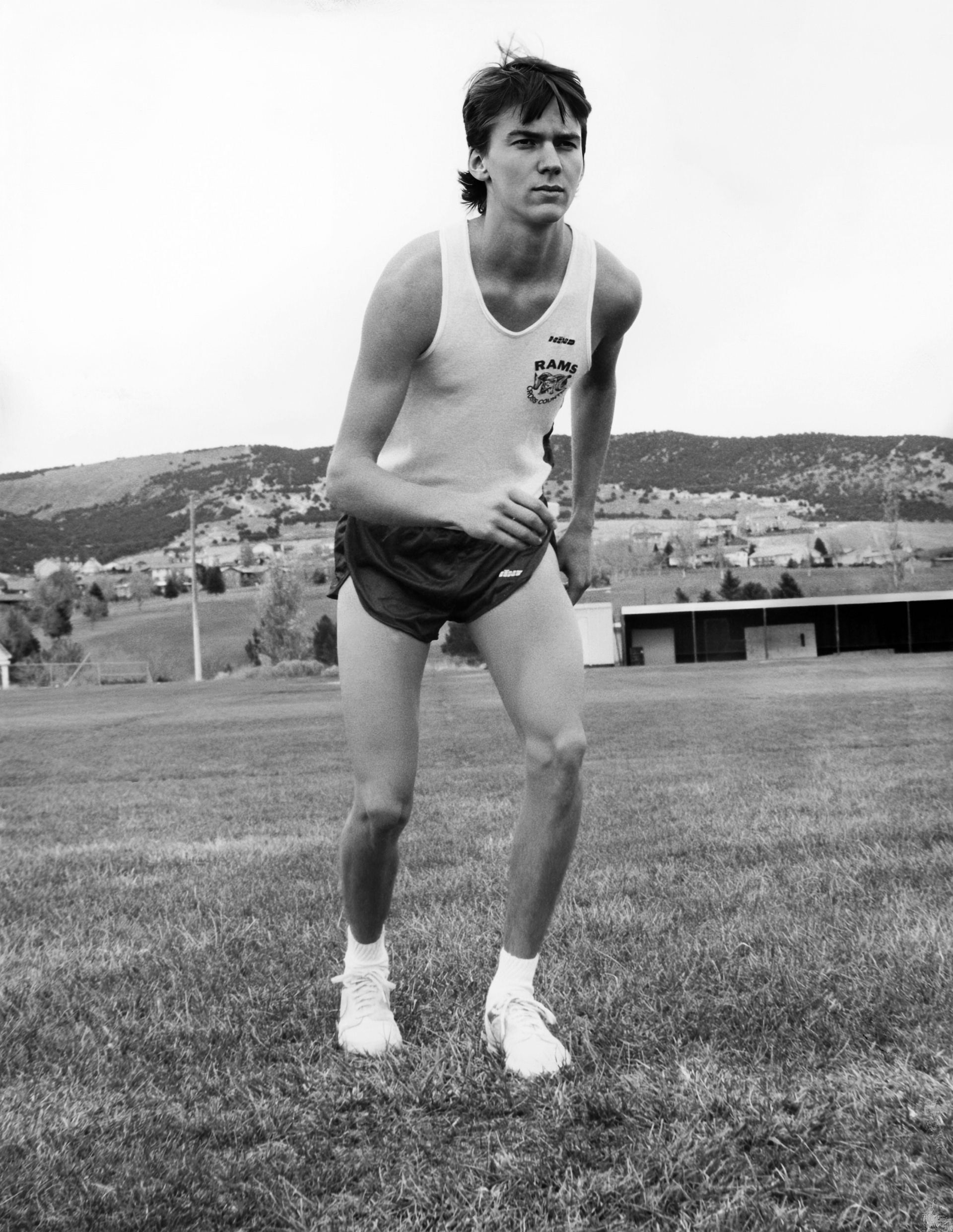
Doctored Image
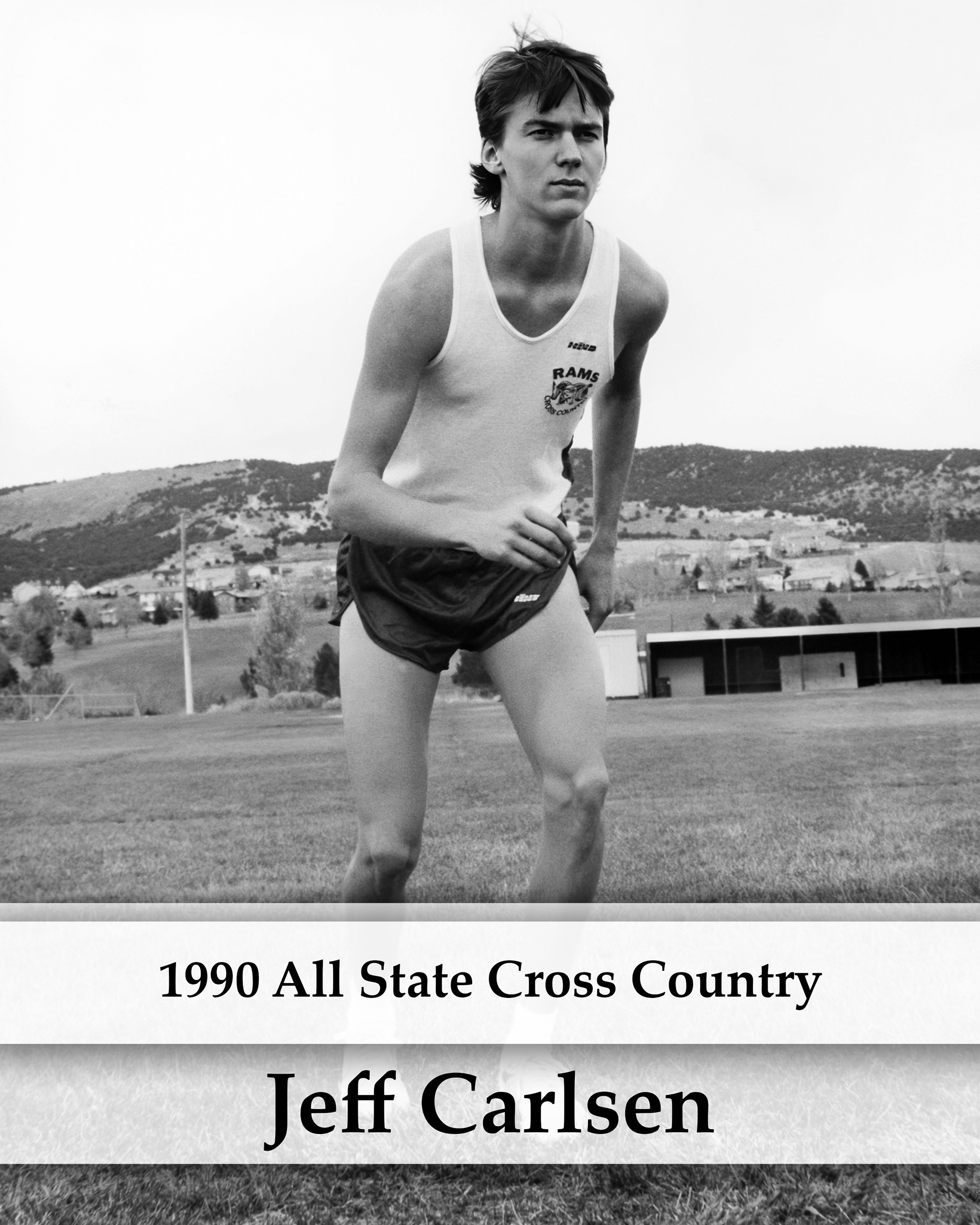
Ready for Print
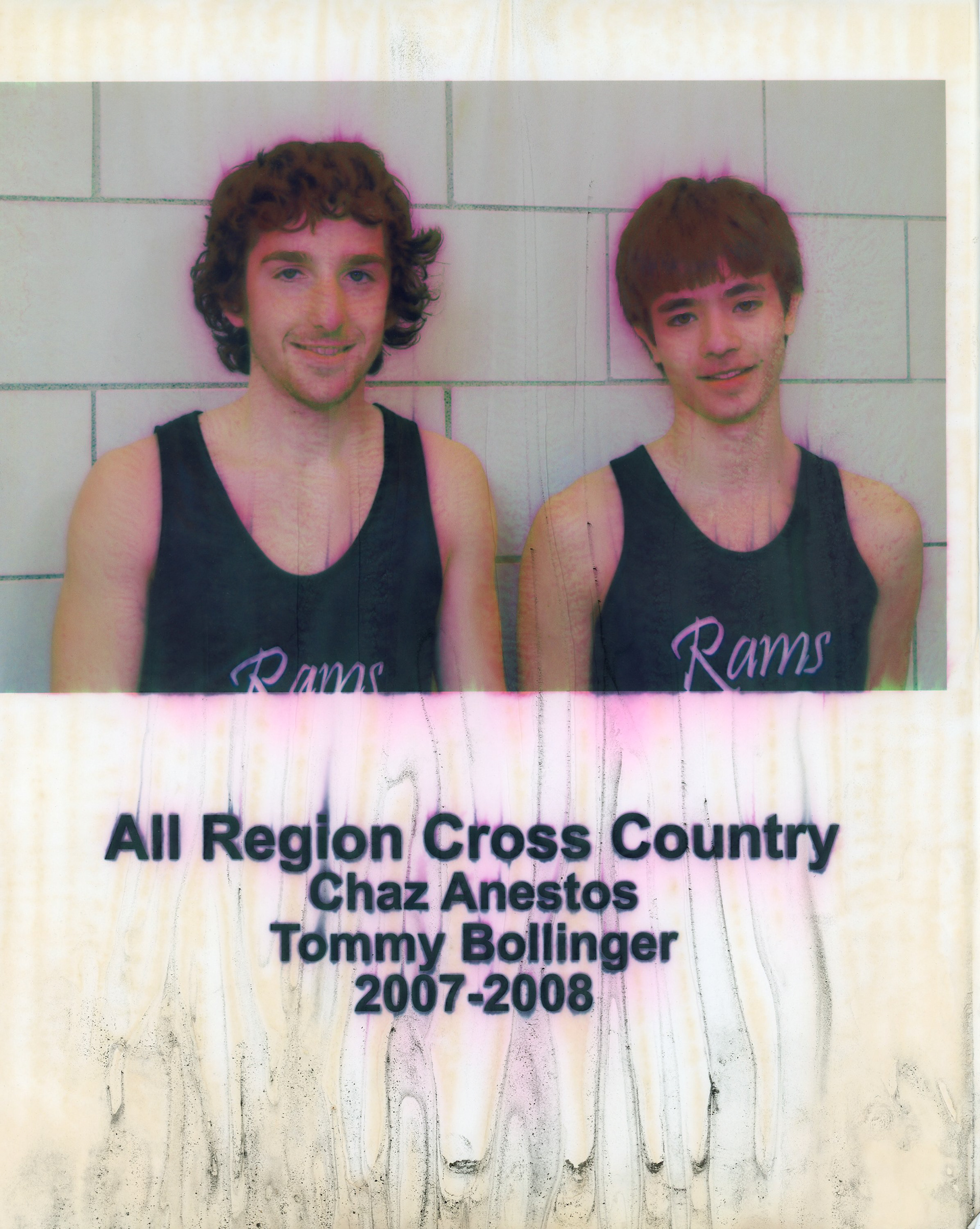
Original Scan

Doctored Image
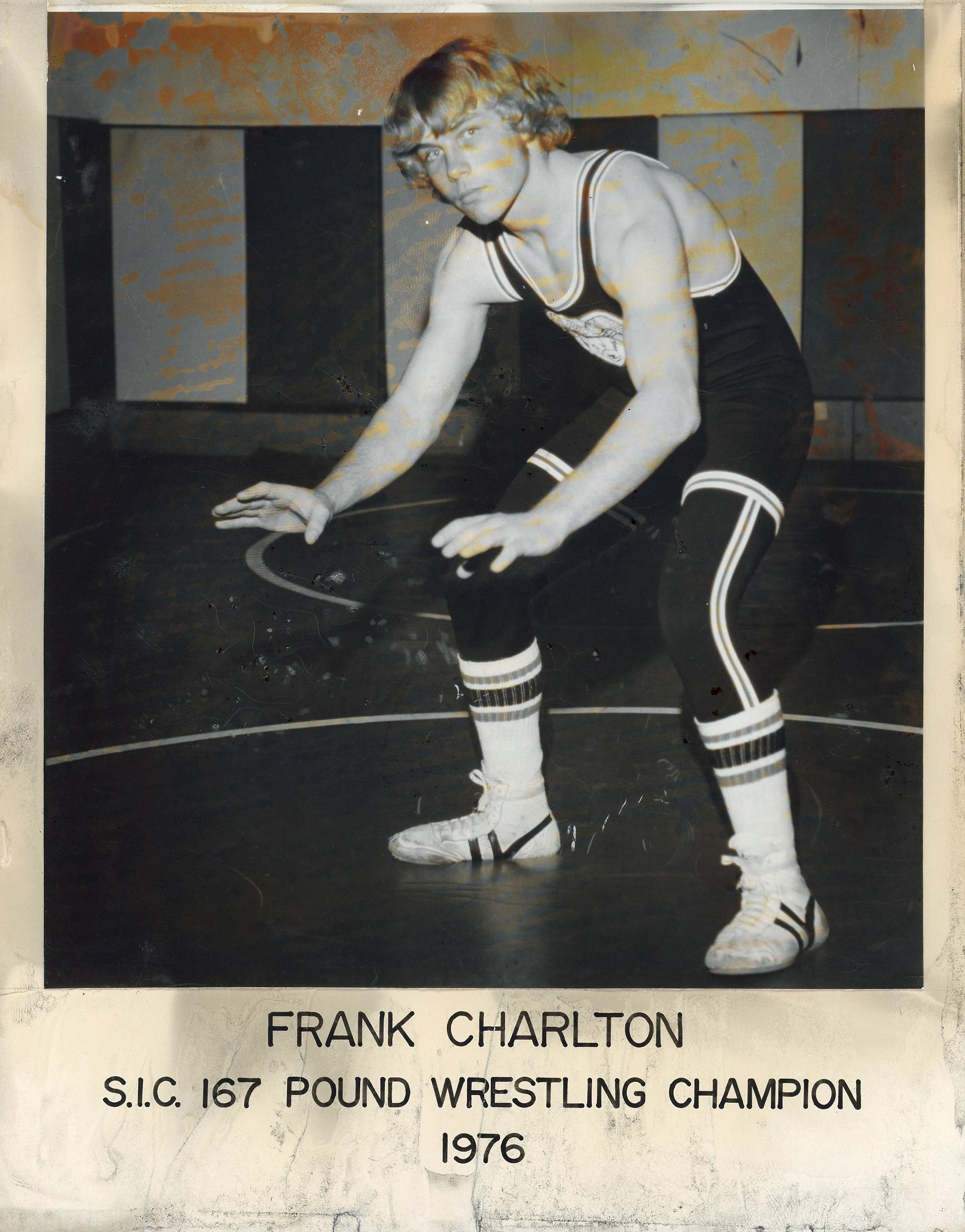
Original Scan
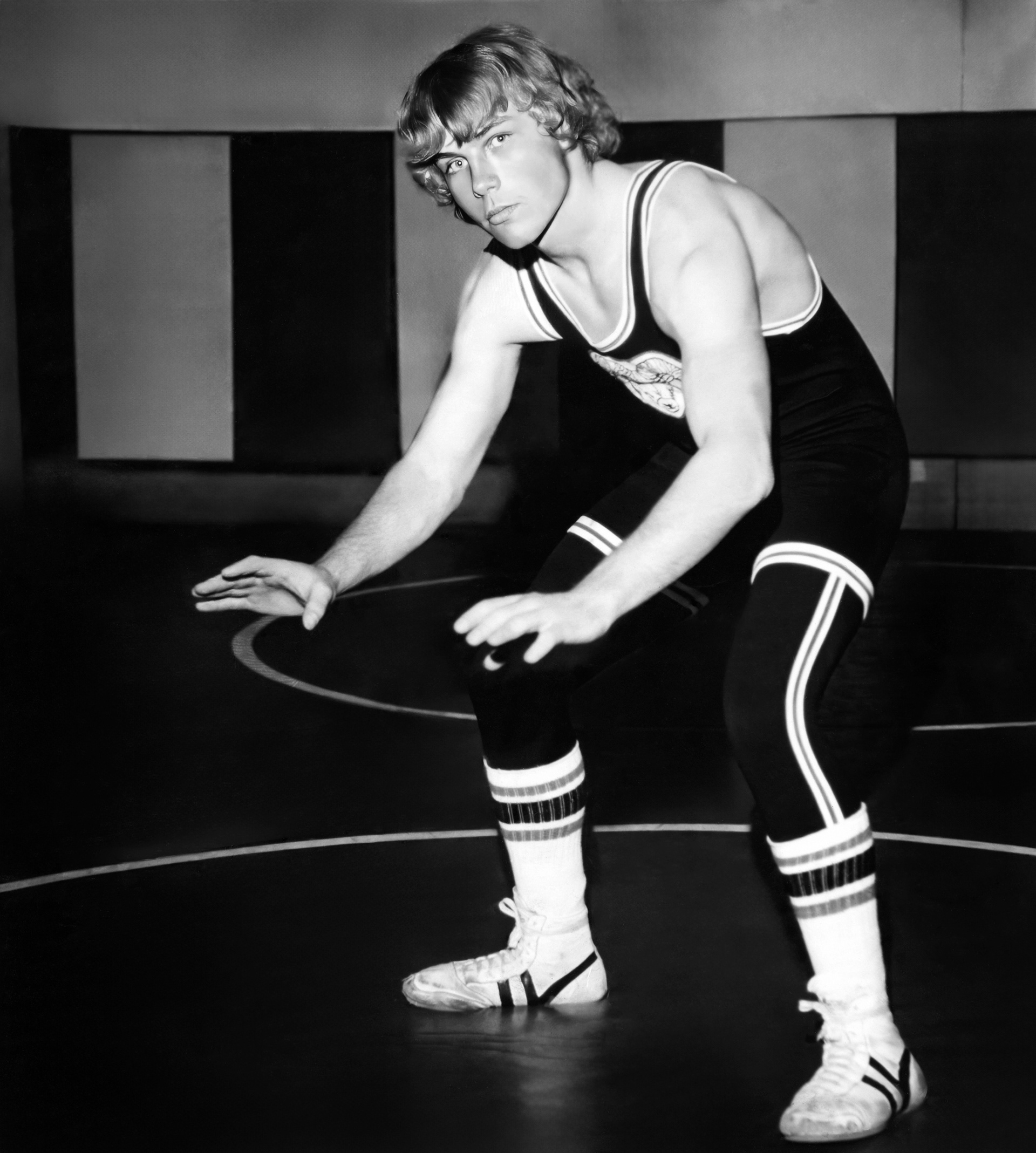
Doctored Image